






















Test anxiety is a common challenge that students face at all levels of education. Individuals who experience test anxiety often feel extreme stress, nervousness, or fear before or during an exam. While test anxiety can sometimes motivate students to prepare more thoroughly, it can also negatively affect performance. Students may struggle to recall information or think clearly under pressure. Learning how to manage test anxiety and understanding its root causes can help students perform better and feel more confident in their abilities.
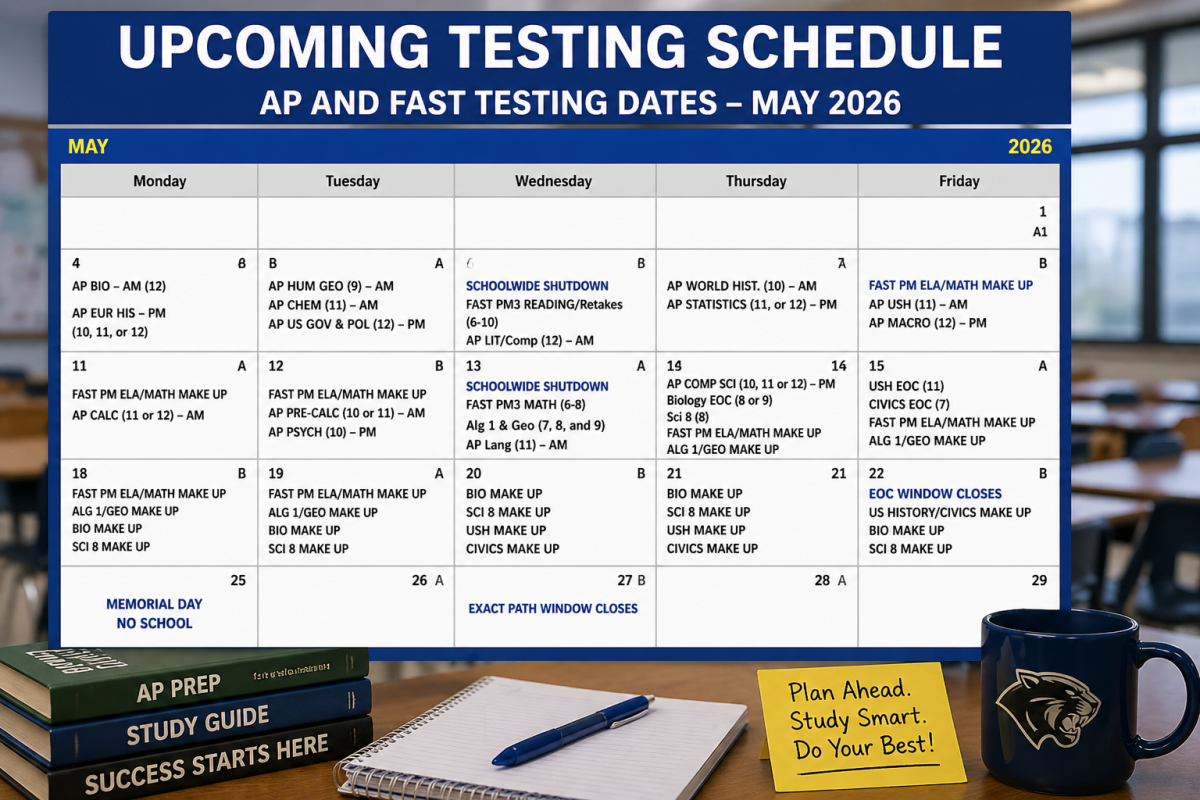
As spring arrives and flowers bloom, many students experience increased stress due to upcoming exams. For example, Advanced Placement (AP) tests, such as AP World History: Modern, are scheduled for early May, with the exam taking place on May 8. This time of year can be especially stressful for students taking AP classes, particularly those trying to balance academics with extracurricular activities, jobs, and personal responsibilities. This overload can place overwhelming pressure on students.
While learning how to manage test anxiety is important, understanding its root causes is equally essential. Several factors contribute to test anxiety. One major cause is expectations. Students who fear they will not meet the expectations of their parents, teachers, or even themselves may experience intense anxiety. Another cause is inadequate preparation and cramming. Insufficient study time, procrastination, or ineffective study habits can leave students feeling unprepared, increasing stress and self-doubt during exams. Additionally, not fully understanding the material can make tests feel overwhelming.
 Poor test-taking skills can also contribute to anxiety. Many students struggle with time management, interpreting questions, or organizing their thoughts clearly. Exams like AP tests are time-limited and divided into multiple sections, which can cause students to feel stuck, freeze, or struggle to structure their responses. Perfectionism is another contributing factor. Students who set unrealistic standards for themselves may experience extreme anxiety if they believe anything less than a perfect score is a failure. This mindset can lead to overstudying, burnout, and mental exhaustion.
Fortunately, test anxiety can be managed with the right strategies. One effective approach is developing strong study habits, such as creating a study schedule and using active learning techniques. Another strategy is challenging negative thoughts by replacing self-doubt with positive affirmations. For example, instead of thinking, “I’m going to fail,” students can remind themselves, “I’m prepared” or “I can do this.” Maintaining a healthy lifestyle also plays an important role. Getting at least seven to eight hours of sleep, eating balanced meals, and consuming brain-healthy foods like fruits, nuts, and protein can help improve focus and reduce stress.
Test anxiety is a serious issue that can negatively impact both academic performance and overall well-being if left unaddressed. However, by understanding its causes and using effective coping strategies, students can regain confidence and approach exams with a calm and focused mindset. With preparation, support, and self-belief, test anxiety can be overcome.