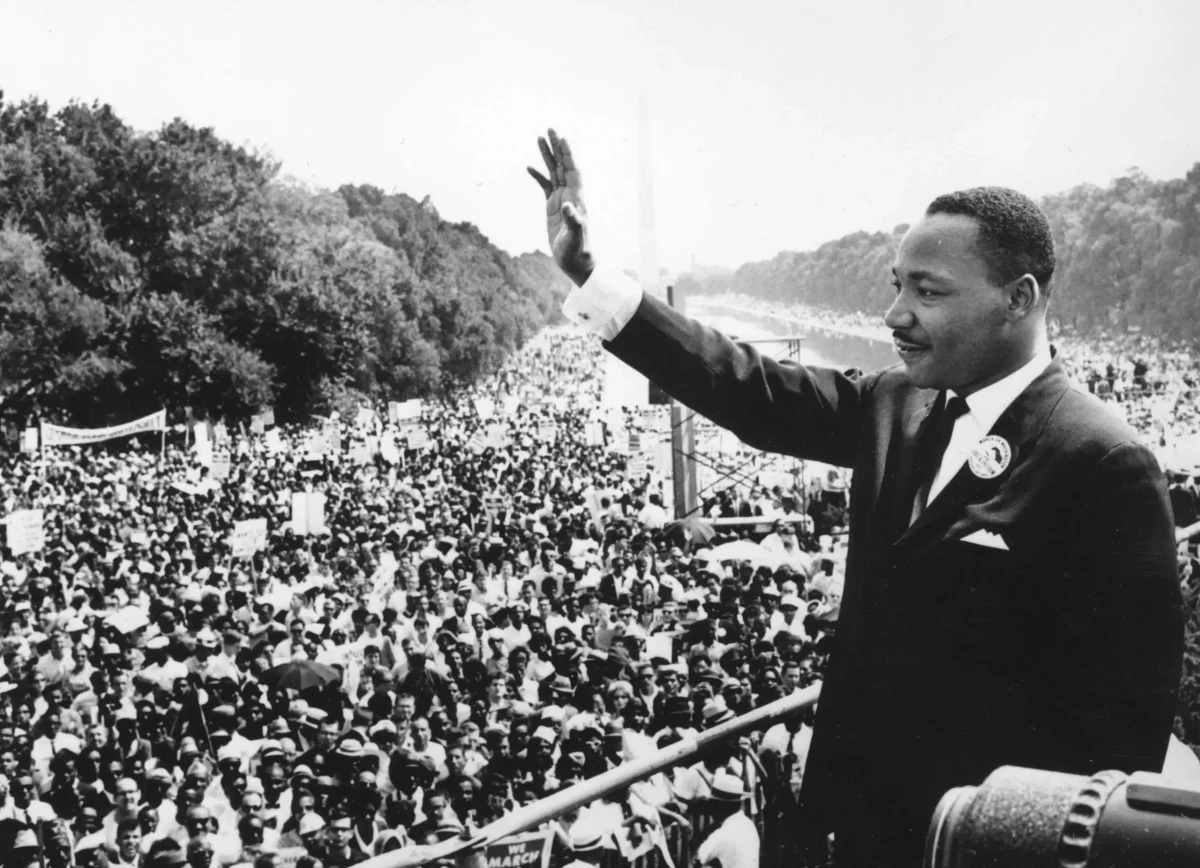











It has come to my attention that some of us Darnell students have never really thought about why we celebrate Martin Luther King Jr. Day, when we started celebrating it, or how we should celebrate it. Some students might think we celebrate MLK because he died or simply because he was a hero. While that is partly true, it is not the full reason. Darnell Cookman should take time in January to talk about Dr. King so people understand what he sacrificed for us and how he helped us see people of different colors as equals. That is what we are going to talk about today.
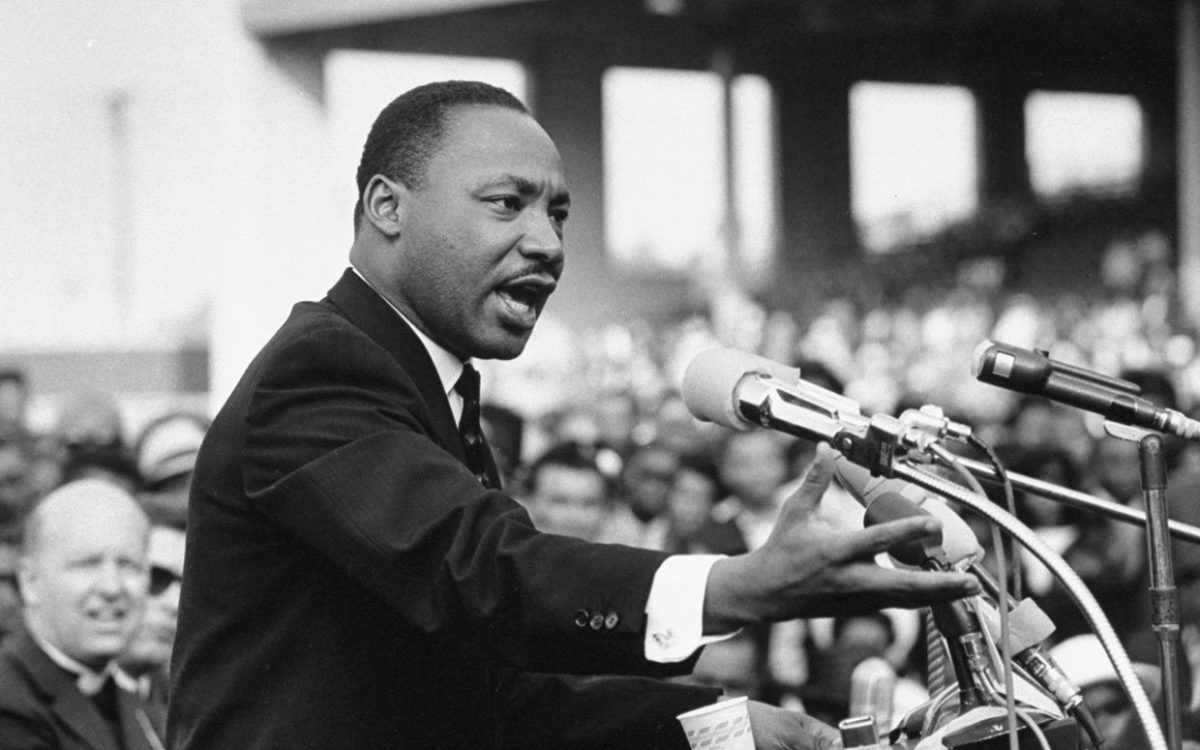
Martin Luther King Jr.’s actual birth name was Michael Luther King Jr. He was a Baptist minister and a civil rights activist in the United States of America. He gave many powerful speeches, including his famous “I Have a Dream” speech and his final speech, “I’ve Been to the Mountaintop,” which people still remember today. When MLK was younger, around the age of twelve, he went through a very traumatic experience when his grandmother died of a heart attack. This event deeply affected him and stayed with him throughout his life.
 Martin Luther King Jr. experienced a great deal of racism because of his skin color, which was very common during the 1930s through the 1960s. Instead of letting this change him for the worse, it made him more interested in political issues and social injustice. As he grew older, he continued his education and earned a doctorate degree at the age of 25. Like many college students, he was not perfect or always serious. He enjoyed swimming, socializing, and living his life. At one point, he was even in a serious relationship that caused controversy at the time, which he eventually had to end. He later married Coretta Scott King in the 1950s, and together they had children. A few years later, he began his major civil rights work, which would go on to change history.
So what happened next? Dr. King was assassinated, and now we celebrate his death and his achievements—right? That answer is actually false. Martin Luther King Jr. Day was not celebrated right away. After his death in 1968, many people wanted a holiday to honor his courage and the work he did to bring people together. However, others believed he should not have a national holiday because he was a civil rights leader, not a president or a founding father.
After many years of debate, Congress finally approved legislation to make Martin Luther King Jr. Day a national holiday. It was signed into law by President Ronald Reagan, the 40th president of the United States, and the holiday was first officially celebrated in 1986.