






















As students, our jobs often feel like going to school, learning, going home, doing homework, sleeping, and repeating the process. That can feel like what is expected of us for the next 12 years. But who can realistically keep up with this cycle for most of their teenage life?
Having to do the same thing every day can easily contribute to burnout. As young adolescents, our bodies naturally go through changes both mentally and physically, but the mental side is often overlooked. The brain continues developing into the mid-twenties, which makes maintaining good mental health especially important. If mental health is ignored, it can affect a student’s future. Health organizations have reported that suicide is one of the leading causes of death among adolescents and young adults. There are many contributing factors, but school is one of the main environments where stress occurs. Juggling schoolwork and home life is not easy for many students, and additional stressors such as bullying or social drama can make things worse. With this information, it is understandable why many students feel overwhelmed.
 So how can schools help students who are struggling? Counselors exist to support students, but it is not always as simple as it sounds. There is often a long wait process depending on the severity of a situation. With only a few counselors and hundreds of students, prioritizing cases becomes necessary. While this system works to an extent, it does not always reach every student who needs help because counselors are busy. This raises the question of whether programs like Wellness Wednesday help fill that gap. Teaching students how to maintain their mental health is a good idea and may help reduce some of the pressure on counselors. However, some students feel it is not as effective as it could be.
“Wellness Wednesday doesn’t seem as useful as it looks. It repeats similar ideas that most students already know. The breathing techniques don’t work for everyone, and sometimes it just feels like a way to pass time,” said Elizabeth Biak Hmung.
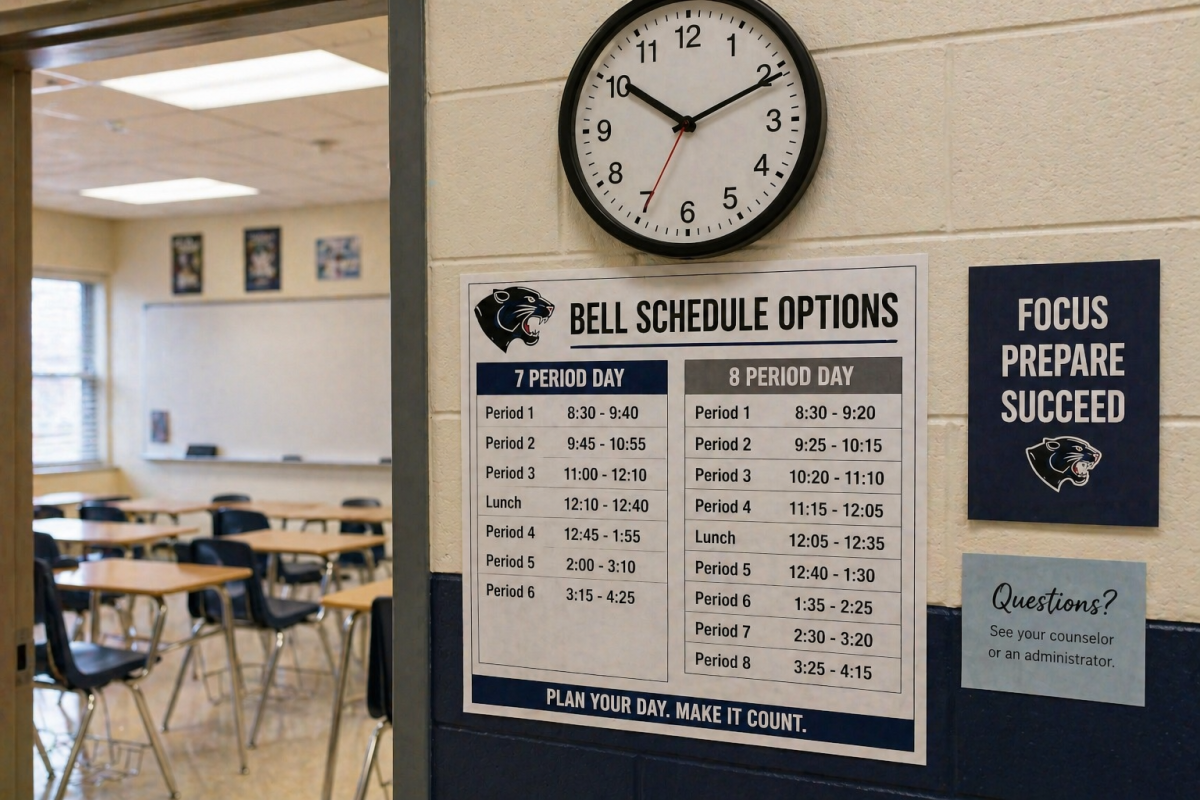
How can schools improve these efforts? One major source of stress for many students is a heavy workload. A possible solution could be lightening workloads and taking students’ schedules into consideration. In this county, students often have around seven class periods with assignments due on alternating A and B days. For students who also have busy schedules outside of school, this workload can increase anxiety. Adjusting workloads and teaching methods could benefit both students and teachers. Too little downtime and constant mental pressure can lead to burnout, which can seriously impact teenagers’ mental health.
Another issue is a lack of support. Hiring more mental health professionals, such as counselors, could help address the needs of a large student population. With only a small number of counselors available for hundreds of students, it can be difficult to provide enough support for everyone.